What Sets a General Dentist Apart in Routine Oral Care

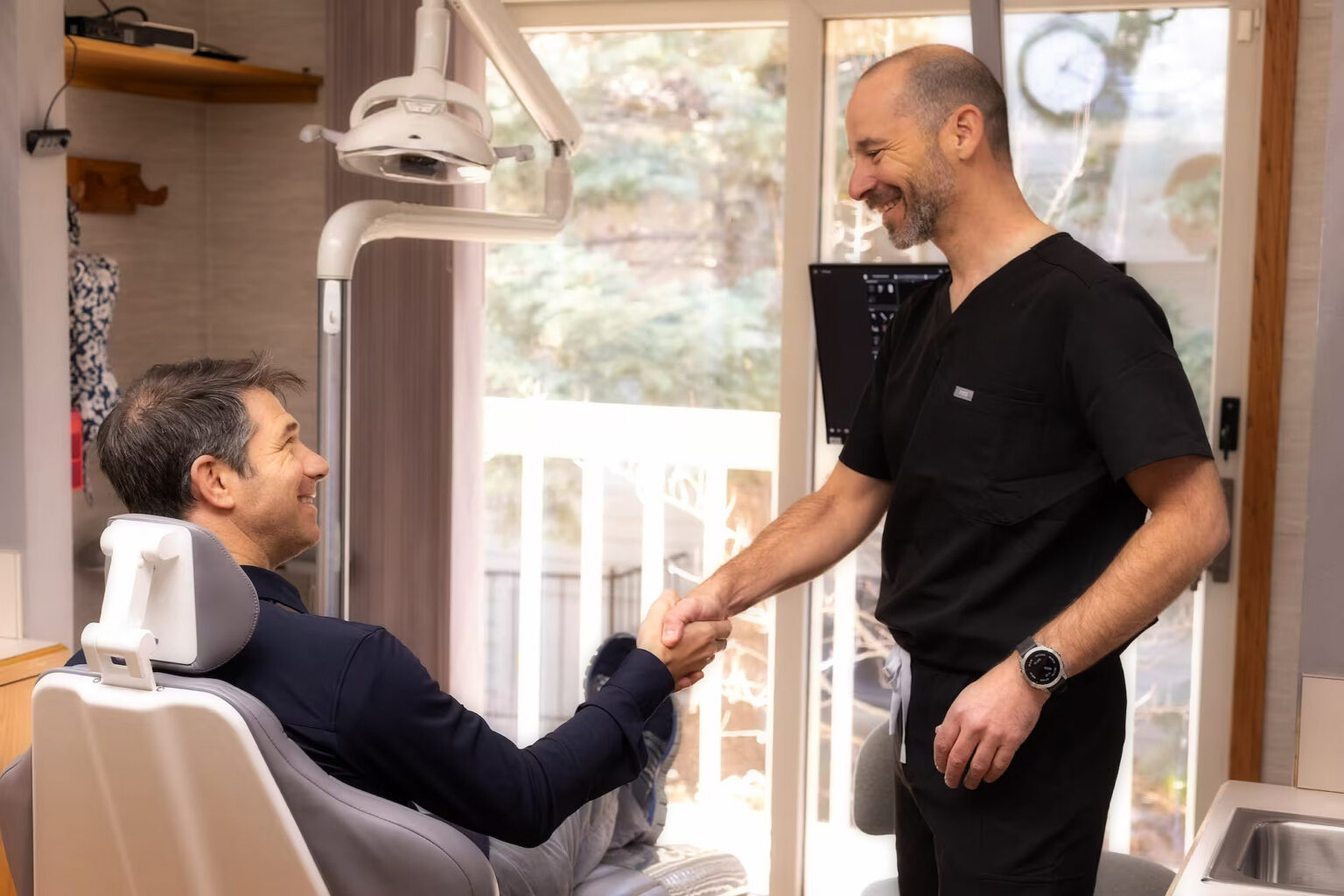

Routine oral care looks simple from the outside. A patient schedules a cleaning, sits through an exam, hears a few reminders about flossing, and leaves with a fresh mouth and a follow-up date. Yet anyone who has spent time in a well-run dental practice knows that this surface view misses the real value of a general dentist. The difference is not only in the procedures performed. It is in the judgment behind them, the patterns recognized over time, and the quiet decisions that prevent minor problems from becoming expensive, painful ones.
A General Dentist occupies a distinct place in oral healthcare. Specialists matter, and in some cases they are indispensable, but routine care depends on a clinician who can see the whole mouth, the patient's habits, the medical history, the pace of change, and the practical realities of daily life. That broad perspective is what sets general dentistry apart.
The role is wider than many patients realize
People often associate a dentist with fillings, cleanings, and the occasional crown. Those are important services, but they are only part of the picture. A general dentist is usually the first clinician to notice subtle changes in the teeth, gums, bite, soft tissues, and jaw function. That requires more than technical skill. It requires continuity, comparison, and restraint.
Consider aspenwooddental.com General Dentist a patient who has mild gum inflammation, a small worn area on one canine, and a hairline crack in a molar. None of those findings alone may demand urgent treatment. Together, they can point to a bigger story: nighttime clenching, inconsistent home care, rising stress, and a risk profile that will likely worsen if ignored. A general dentist is trained to connect those dots during routine visits, often long before symptoms become severe.
This is one reason routine oral care can never be reduced to a cleaning alone. The appointment is part maintenance, part screening, part risk assessment, and part education. The better the dentist, the more tailored that process becomes.
Prevention is not a slogan, it is a discipline
Dentistry often talks about prevention, but effective prevention is highly specific. It is not just telling every patient to brush twice a day and floss more. A skilled general dentist learns where each patient tends to struggle and adjusts recommendations accordingly.
For one person, the issue may be plaque retention around crowded lower front teeth. For another, it may be dry mouth caused by medication, leading to a sudden jump in cavity risk. A third patient may have excellent brushing habits but recurring chips from grinding. The advice cannot be generic if it is going to work.
In practice, routine care often turns on small details. The angle of brushing matters. So does the size of the interdental brush, the type of toothpaste, whether the patient snacks frequently, and whether old restorations are beginning to leak at the margins. A general dentist works in this practical space, where modest changes can preserve tooth structure for years.
Patients are often surprised by how much of long-term dental health depends on timing. A cavity caught when it is small may need a straightforward filling. The same tooth, reviewed too late, may need a root canal and crown. Gum inflammation managed early may reverse with better hygiene and maintenance. Left alone, it can progress into bone loss that cannot simply be brushed away. The gap between those outcomes is where a good general dentist proves their worth.
Clinical range matters in ordinary appointments
Routine appointments rarely stay routine in the purest sense. A patient comes in for a checkup, mentions sensitivity on the upper right, and suddenly the visit requires diagnostic thinking. Is the cause decay, recession, a cracked cusp, sinus pressure, clenching, or a failing filling? The answer is not always obvious from a quick look.
What distinguishes a general dentist is the ability to move from maintenance to diagnosis without losing sight of the larger picture. They evaluate symptoms in context. They know when to monitor, when to restore, when to refer, and when to do nothing yet. That last decision matters more than patients often realize. Overtreatment can be just as damaging to trust and long-term outcomes as undertreatment.
A sound general dentist respects the value of tooth structure. Once enamel is drilled, it does not grow back. Once a restoration cycle starts, each replacement can become larger and more complex over time. This does not mean avoiding treatment when it is needed. It means using treatment carefully, with a clear rationale.
The best routine care often includes invisible restraint. A stain line that is watched instead of drilled. A mildly worn tooth that gets a night guard recommendation before it needs bonding. A slightly inflamed gumline that prompts a home-care reset instead of a rushed lecture. These choices reflect maturity in practice.
The relationship over time changes everything
One of the strongest advantages a General Dentist brings to routine oral care is continuity. Specialists usually see a narrow issue during a limited period. General dentists, by contrast, may follow a patient for five, ten, or twenty years. That timeline creates a level of diagnostic insight that single visits cannot match.
A dentist who has previous radiographs, charting, photographs, and memory of the patient's oral habits can spot changes quickly. A tiny area of wear means more when compared with a stable record from two years earlier. A pocket around one tooth matters more if the rest of the gums have always been healthy. A patient who suddenly presents with several new cavities may reveal a change in diet, medication, or life circumstances that would not be obvious to someone meeting them for the first time.
This long view also improves communication. Patients are more likely to accept guidance when it comes from a clinician who has seen their mouth repeatedly and can explain trends with specificity. "This molar has had a large filling for years, and the crack line is more pronounced than it was last time" is more convincing than vague warnings. Trust tends to grow when recommendations feel individualized and grounded in evidence from the patient's own history.
There is another side to continuity that does not get enough attention: behavior change. Oral health habits rarely improve because of a single dramatic speech. They improve through repeated, realistic conversations. A general dentist who knows a patient well can adjust the message, pace the advice, and focus on one achievable step rather than overwhelming them.
Routine care is medical care, not cosmetic housekeeping
Teeth are easy to separate mentally from the rest of the body. In practice, that division causes trouble. Oral health is deeply tied to medication use, chronic disease, aging, and everyday function. A general dentist works at that intersection constantly.
Dry mouth offers a good example. It may sound minor, but it can change a patient's cavity risk dramatically. Antidepressants, antihistamines, blood pressure medications, and many other common drugs can reduce salivary flow. Saliva helps buffer acids, clear food debris, and protect enamel. When it drops, decay can move fast, especially around exposed roots or older restorations. A general dentist often catches General Dentist this pattern during routine care and modifies the prevention plan before major damage occurs.
Diabetes presents another common intersection. Gum health and blood sugar control influence each other in both directions. Patients with poorly controlled diabetes may show more inflammation, slower healing, and greater periodontal risk. Dentists who understand these links do more than clean teeth. They interpret what they see in a broader health context and advise patients appropriately.
Pregnancy, reflux, eating disorders, autoimmune conditions, cancer therapy, and sleep-related grinding all leave signs in the mouth. Routine care becomes much more than maintenance when a dentist recognizes those signs early and responds with judgment.
The exam is part science, part pattern recognition
Patients sometimes wonder why two dentists can look at the same mouth and express different levels of concern. The answer is that diagnosis in routine oral care is not mechanical. It relies on training, experience, imaging, tactile feedback, and pattern recognition.
Take early decay between teeth. On an X-ray, the area may look small. Clinically, the surface might still feel intact. The dentist has to weigh multiple factors: the patient's cavity history, hygiene habits, fluoride exposure, diet, age, and reliability with follow-up. For one person, the right call may be close monitoring and preventive measures. For another, restoring the tooth sooner may be the safer choice.
This is where experience earns its keep. A seasoned general dentist has seen how these cases tend to unfold in real life, not only in textbooks. They know which lesions often stay stable and which ones tend to accelerate. They know that a patient with dry mouth and frequent snacking can turn a borderline spot into a definite cavity in six months. They also know when not to rush.
That kind of judgment is difficult to market in a flashy way, but it shapes outcomes every day.
Communication is a clinical skill
Technical ability matters, but routine care also depends on whether a patient understands the problem and believes the plan is reasonable. General dentists spend a large part of their working lives translating clinical findings into plain, useful language.
Done well, this communication is neither alarmist nor overly soft. It is specific. A dentist might explain that a cracked filling is not yet an emergency but is weak enough to justify replacement before it breaks further. Or they might tell a patient that bleeding gums are common but not normal, and that a few minutes of better interdental cleaning each evening can change the picture significantly in a few weeks.
Good communication also means respecting constraints. Not every patient can complete all ideal treatment immediately. Life gets in the way. Budgets tighten. Anxiety delays care. A practical general dentist can stage treatment, prioritize what is urgent, and protect the patient from both neglect and unnecessary pressure.
That balance is a hallmark of strong routine care. Patients do not need perfection from every visit. They need honest guidance, clear priorities, and a clinician who can adapt.
What patients usually notice, and what they often miss
Most patients judge an appointment by whether it was comfortable, efficient, and understandable. Those factors matter, and a well-run practice should deliver them. Still, much of what sets a general dentist apart happens beneath that experience.
Patients notice polished teeth after a cleaning. They may not notice that the dentist also checked the soft tissues for abnormalities, assessed the bite, compared current X-rays with older ones, reviewed recession patterns, evaluated restorations at their margins, and considered whether one sensitive tooth is carrying too much chewing load. Routine oral care is layered, and the visible procedure is only part of it.
A strong general dentist also pays attention to the shape of the patient journey. If someone consistently postpones care because they fear injections, the solution may involve topical anesthetic, slower pacing, shorter appointments, or discussing sedation options. If a patient has excellent hygiene but keeps breaking fillings, the real issue may be bite forces, not brushing technique. When routine care feels personalized, patients are often experiencing the results of this deeper diagnostic thinking.
Signs of a thoughtful general dentist
Patients do not need to evaluate clinical technique directly to sense quality. Certain patterns tend to mark careful, competent routine care.
- Recommendations are explained in plain language, with reasons and timing.
- The dentist compares current findings with past history rather than treating each visit in isolation.
- Preventive advice is tailored, not generic.
- Small problems are monitored thoughtfully, not ignored or automatically drilled.
- Referrals are made when a case goes beyond the right scope for general practice.
None of these points sound dramatic, yet together they define professionalism in everyday dentistry. They also help patients distinguish between a transactional appointment and a true clinical relationship.
Routine care is where bigger problems are often prevented
When dental treatment becomes complex, it usually started as something manageable. A neglected cavity becomes a toothache, then a root canal. Mild gingivitis turns into deeper periodontal therapy. A cracked tooth becomes a fractured cusp on a Friday night. These stories are common partly because oral disease often progresses quietly.
That is why routine oral care deserves more respect than it usually gets. It is not merely maintenance. It is surveillance with purpose. A general dentist is in the best position to perform that surveillance because the role combines hands-on treatment with broad oversight.
There are also economic realities here. Preventive care and early intervention are typically far less costly than rebuilding damaged teeth later. A simple occlusal guard may prevent thousands of dollars in wear, fractures, and repeated repairs over time. Addressing dry mouth early may spare a patient a wave of root decay that becomes difficult to manage in older age. These are not abstract benefits. They affect comfort, nutrition, speech, confidence, and finances.
The limits of general dentistry are part of its strength
A good general dentist does not try to be everything. Knowing when to refer is one of the most important parts of competent care. Complex wisdom tooth extractions, advanced periodontal surgery, difficult root canal anatomy, suspicious oral lesions, and major orthodontic issues often deserve specialist management.
Paradoxically, this willingness to refer strengthens the value of routine care. It shows that the dentist understands the boundaries of general practice and is focused on patient outcomes rather than professional ego. The general dentist remains the central coordinator, keeping track of the full picture while drawing in specialty support when appropriate.
Patients benefit from this arrangement because they still have a home base. The specialist may address a specific problem, but the general dentist continues to oversee recalls, maintenance, new risks, and how all past treatment fits together.
What this means for patients choosing care
For patients, the takeaway is straightforward. Routine oral care should feel personal, measured, and consistent. The clinician should be looking beyond the cleaning itself. They should know your history, notice changes, explain trade-offs, and help you make sensible decisions before problems become urgent.
A few practical questions can reveal a lot during ordinary visits:
- Does the dentist explain why something needs treatment now versus later?
- Do recommendations change based on your history and habits?
- Are preventive options discussed with the same seriousness as restorative work?
- Is monitoring used appropriately for borderline findings?
- Does the practice feel organized enough to support continuity over time?
These are the everyday markers of quality. Patients rarely need a dramatic dental event to judge whether they are in good hands. Usually, the answer is visible in the routine.
The quiet expertise behind the ordinary appointment
The daily work of a General Dentist rarely makes headlines. It is built from exams, conversations, radiographs, cleanings, restorations, and a long chain of small clinical choices. Yet this quiet work is exactly what preserves oral health for most people over the course of a lifetime.
What sets a general dentist apart in routine oral care is not just versatility, though that matters. It is the combination of breadth, continuity, preventive focus, judgment, and practical communication. It is the ability to see the ordinary appointment for what it really is: a chance to detect, guide, preserve, and prevent.
When that work is done well, patients leave with more than polished teeth. They leave with a care plan shaped to their risks, a clearer understanding of their mouth, and a better chance of keeping their natural teeth healthy for years to come. That is not routine in the casual sense. It is careful medicine practiced one appointment at a time.
Aspenwood Dental Associates and Colorado Dental Implant Center
2900 S Peoria St Ste C, Aurora, CO 80014, United States
+1 303-731-4037
FAQ About General Dentist
How long do teeth fillings last in Aurora, CO?
Fillings can last for years, but they are not lifetime restorations. Their durability depends on the material, the size and location of the filling, chewing forces, and oral hygiene. A general dentist can examine a filling for wear, damage, or new decay and explain whether monitoring, repair, or replacement is appropriate. Age alone does not establish that a filling needs replacement.
How Can I Reduce Dental Anxiety?
Tell the dental team about your concerns when booking and again at your visit. Ask for an explanation of each step, agree on a signal for breaks, and consider slow breathing or headphones if the practice permits them. Discuss pain control and any sedation options with the dentist; suitability depends on your health, medicines, and planned treatment.
When should your child first see a dentist in Aurora?
Arrange the first dental visit within six months after the first tooth appears and no later than the first birthday. Early visits allow the dentist to assess development and discuss brushing, fluoride, feeding habits, and cavity prevention. Ask the practice whether it sees infants and how it handles referrals when a child needs specialist care.