How a General Dentist in Aurora Supports Long-Term Dental Wellness
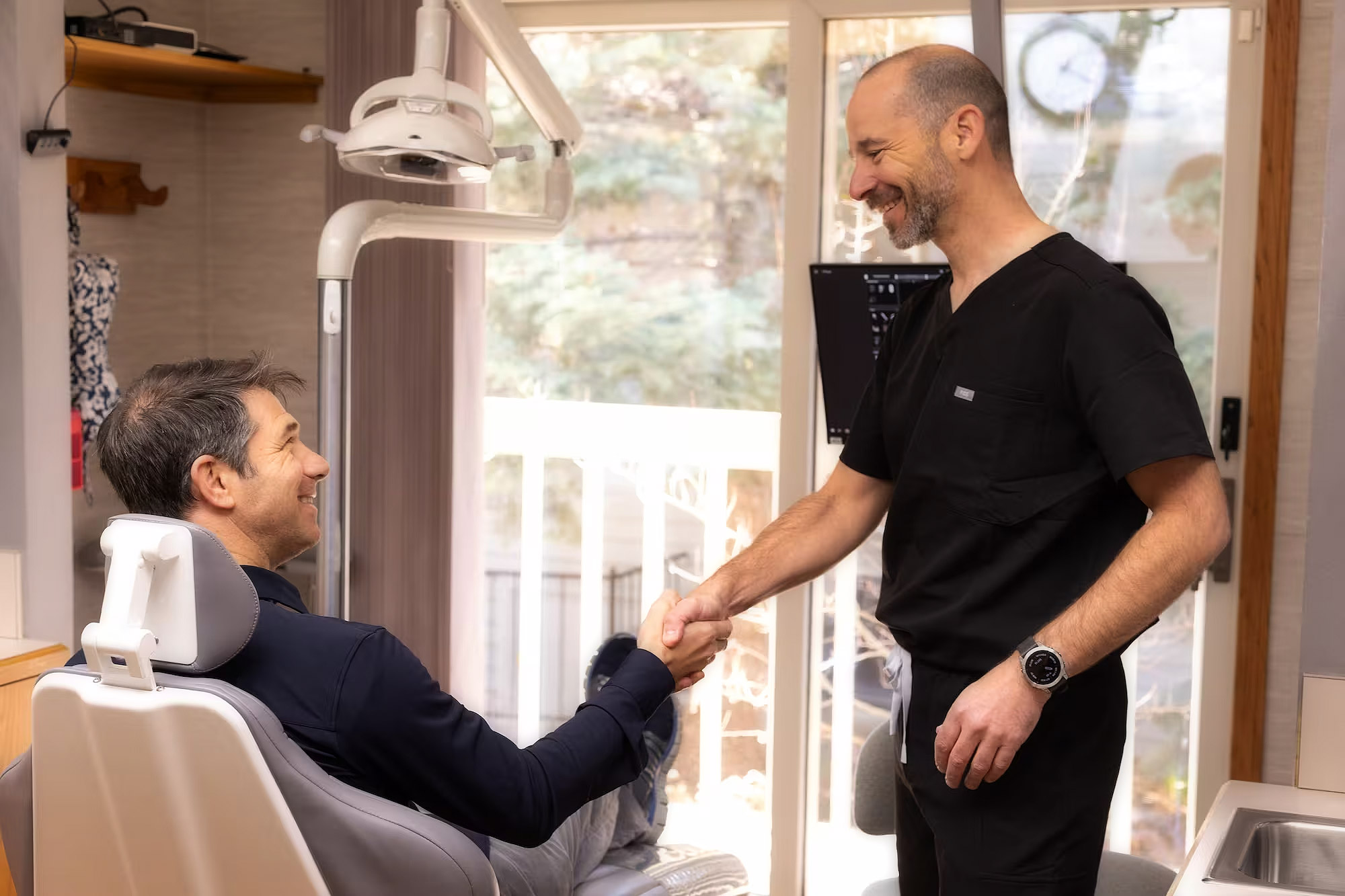

Long-term dental wellness rarely comes down to one dramatic procedure. More often, it is built through steady, informed care over years, sometimes decades. A patient comes in for a routine exam, catches a small cavity before it spreads, adjusts a brushing habit, replaces a worn filling at the right time, and avoids a root canal that might have been necessary two years later. That is what durable oral health tends to look like in real life. It is less about rescue and more about guidance, timing, and follow-through.
That is where a general dentist plays such an important role. For individuals and families, a general dentist often becomes the primary point of contact for nearly every stage of oral care. In a city like Aurora, where patients range from young children to retirees managing multiple health conditions, that continuity matters. A skilled General Dentist Aurora patients trust is not simply cleaning teeth and filling cavities. They are tracking patterns, spotting risks early, helping patients make practical decisions, and creating a plan that protects both oral function and overall comfort over time.
The value of continuity in everyday dental care
One of the biggest advantages of seeing the same general dentist regularly is continuity. Dental issues do not develop in isolation. Gum inflammation, bite wear, recurring decay around old restorations, dry mouth from medication, stress-related clenching, and changes in the jaw joint often unfold gradually. When a dentist knows a patient’s history, subtle changes are easier to identify.
A first-time visitor may mention sensitivity on the upper right side. On its own, that symptom could mean several things. In the hands of a dentist who has been monitoring that patient for years, the picture is often clearer. Perhaps there was an old composite filling on that tooth, placed eight years ago, with a note last year about a small craze line. Perhaps the patient recently started a medication known to reduce saliva. Perhaps wear facets suggested nighttime grinding at the previous exam. Those details change how care is approached.
This kind of familiarity supports better judgment. It reduces unnecessary treatment in some cases and speeds up intervention in others. Dentistry is not just technical. It is cumulative. The more complete the record, the more precise the care.
Prevention works best when it is personalized
Most people understand that preventive dentistry is important, but prevention is often discussed too broadly. The truth is that preventive care is not one-size-fits-all. Two patients can brush twice a day and still have very different needs. One may be cavity-prone because of dry mouth, frequent snacking, or deep grooves in molars. Another may have almost no decay history but struggle with inflammation and gum recession due to brushing technique or genetics.
An experienced general dentist looks beyond generic advice. They ask better questions. Are you drinking sports drinks throughout the day? Have you noticed jaw soreness in the morning? Did you start orthodontic treatment as an adult? Has a physician changed your medication list recently? Are you using whitening products that might be increasing sensitivity? Those questions shape prevention in a meaningful way.
For one patient, prevention may mean fluoride varnish, a prescription-strength toothpaste, and shorter recall intervals. For another, it may mean coaching on how to clean around a bridge or implant. For a teenager, it may involve sealants and a conversation about mouthguards for sports. For an older adult, the focus may shift toward root surface decay, dexterity challenges, and managing dry mouth safely.
Preventive care is often most effective when it feels specific, not scripted.
Early detection changes outcomes
One of the least glamorous parts of dentistry is also one of the most valuable: finding problems early. Patients do not always notice the beginning of a cavity, the first signs of enamel erosion, or the subtle pocketing that suggests gum disease is becoming active. Many significant dental issues are quiet at first.
A general dentist monitors these small changes before they become expensive or painful. Consider a few common examples:
- a tiny cavity between back teeth that can be restored with a conservative filling
- a chipped filling that still has enough healthy tooth structure around it to be repaired
- early gum inflammation that improves with better home care and a professional cleaning
- bite wear that can be managed with a nightguard before a tooth fractures
- mild recession that prompts changes in brushing technique before root sensitivity becomes chronic
None of these situations sound dramatic, yet each one can prevent a far more complex problem. That is the practical side of long-term wellness. It is rarely flashy. It is timely.
Many patients understandably postpone visits because nothing hurts. The challenge is that pain usually arrives later in the process. A cavity hurts when it is deeper. A cracked tooth becomes obvious after enough pressure and repetition. Gum disease can progress quietly for years before mobility, tenderness, or visible recession force attention. Routine exams and x-rays, used thoughtfully and at appropriate intervals, help dentists intercept those developments earlier.
The connection between oral health and whole-body health
Dentists have long seen what patients sometimes miss: the mouth reflects the rest of the body more than people realize. Diabetes can affect gum health and healing. Acid reflux can contribute to enamel erosion. Certain blood pressure medications, antidepressants, antihistamines, and other prescriptions may reduce saliva, increasing cavity risk. Pregnancy can change gum response. Autoimmune conditions may influence oral tissues and comfort.
A general dentist is often one of the first health professionals to notice these patterns. That does not mean diagnosing every medical condition in the dental chair. It means recognizing when something in the mouth deserves a broader conversation. Recurrent mouth sores, unexplained dry mouth, changes in tissue color, bleeding gums that do not match plaque levels, or unusual wear can all prompt useful questions.
The benefit to patients is not just better dental treatment. It is a more coordinated view of health. A dentist who knows that a patient has diabetes may place greater emphasis on periodontal stability. A patient undergoing cancer treatment may need modified home-care instructions and more frequent monitoring. Someone with arthritis may need adaptive tools to clean effectively.
Long-term dental wellness depends on these adjustments. Oral care works best when it is grounded in how a person actually lives and what else their body is managing.
Restorative care is about preservation, not just repair
When people hear the phrase restorative dentistry, they often think of crowns, fillings, or bridges as isolated fixes. In practice, restorative care is about preserving function, comfort, and healthy structure for as long as possible.
A good general dentist does not treat a tooth in isolation from the rest of the mouth. If a molar needs a crown, the decision involves more than decay removal. How much healthy tooth remains? Is the bite heavy on that side? Does the patient grind at night? Is there a crack pattern worth monitoring? Is a less invasive option still realistic, or would it be short-lived and more costly in the end?
There is often a balance between ideal treatment and practical treatment. Some patients want the most durable option available. Others need to phase care due to budget, schedule, or insurance limits. A thoughtful dentist helps patients understand trade-offs clearly.
A small filling, for example, preserves more natural tooth than a crown. That is usually desirable, but only if the remaining tooth is strong enough to support it. A crown may offer better protection for a heavily restored tooth, yet it also requires more shaping. Neither choice is automatically right in every case. Good dentistry relies on judgment, not formulas.
This is one reason long-term relationships matter. A dentist who has followed a tooth over time can often choose the most conservative treatment that still has a reasonable chance of lasting.
Gum health deserves more attention than it gets
Patients often focus on teeth because they are visible and because cavities are familiar. Yet gums and supporting bone determine whether teeth stay healthy and stable over the long run. Periodontal disease can begin with mild bleeding and progress to attachment loss, recession, mobility, and eventually tooth loss if ignored.
The challenge is that gum disease is frequently painless in its early and moderate stages. People normalize bleeding when brushing, or they assume tenderness will pass. A general dentist and hygienist team can spot the signs much earlier: pocket depth changes, tartar accumulation below the gumline, localized inflammation, and radiographic bone loss.
Managing gum disease is not always simple. Some patients improve quickly with thorough cleanings and consistent home care. Others have stubborn inflammation tied to smoking, diabetes, crowded teeth, mouth breathing, or immune response. In those cases, long-term stability may require periodontal maintenance visits, not just standard six-month cleanings.
That distinction matters. A patient who has had active periodontal disease may feel frustrated when they hear they need more frequent maintenance. From a General Dentist Aurora clinical standpoint, it is often the most effective way to protect General Dentist Aurora their teeth. Once bone is lost, the goal becomes control and preservation. A general dentist helps patients understand that shift without alarmism, and that clarity can make the difference between compliance and avoidance.
Family dentistry creates healthier patterns early
For families, a general dentist often becomes a steady presence across different life stages. Children learn that dental visits are routine, not threatening. Parents receive practical guidance on habits, diet, fluoride use, and developmental milestones. Teens get support through orthodontic changes, sports injuries, or wisdom tooth referrals. Adults navigate restorative care, cosmetic concerns, and wear. Older relatives may need more maintenance, replacement options for missing teeth, or help managing medical complications that affect the mouth.
This continuity builds healthier habits because the advice is reinforced over time and adjusted as life changes. A six-year-old who needs help brushing around erupting molars has very different needs from a college student living on coffee and irregular meals. A new parent with excellent teeth may still develop gingivitis during a stressful year of poor sleep and neglected routines. A retiree who never had many cavities may suddenly face root decay because of dry mouth from medication.
A general dentist sees these transitions up close. That perspective allows care to remain proactive rather than reactive.
Dental anxiety is part of long-term wellness too
Long-term wellness is impossible if patients avoid care. For many adults, avoidance has little to do with neglect and everything to do with fear, embarrassment, past painful experiences, or financial worry. A compassionate dental practice recognizes that anxiety is a clinical issue, not a character flaw.
Anxious patients often delay until they are in pain, which usually means treatment is more involved than it would have been earlier. Breaking that cycle requires more than telling people to come in regularly. It requires an environment where communication is clear and respectful. Patients need to know what is being recommended, why it matters, what it will likely feel like, what alternatives exist, and what happens if they wait.
Sometimes the most important first step is a low-pressure exam and conversation. No treatment that day, just records, photos, x-rays if needed, and a plan. For some patients, shorter appointments work better. Others do well with distraction methods, local anesthetic explained carefully, or agreed-upon pause signals during procedures.
Trust is one of the strongest preventive tools in dentistry. When patients feel heard, they are much more likely to keep up with care.
Habits at home matter more than most people expect
Even excellent dental treatment can be undermined by daily habits. A well-made filling will not stop new decay if a patient sips sweetened drinks all afternoon. A deep cleaning cannot overcome smoking and inconsistent plaque control forever. A crown may last many years, but not if it is subjected to constant grinding without protection.
General dentists spend a great deal of time helping patients connect small habits with long-term outcomes. The most useful guidance is usually straightforward and specific, not overwhelming. Many patients do better when the conversation focuses on one or two high-impact changes rather than a lecture.
Here are common adjustments that make a real difference over time:
- brushing gently with a soft-bristled brush for a full two minutes
- cleaning between teeth daily with floss or another tool that the patient will actually use
- reducing frequent sugar exposure, especially sticky snacks and sipping habits
- wearing a nightguard if clenching or grinding is causing damage
- keeping regular recall visits based on personal risk, not just a generic schedule
The key phrase is “that the patient will actually use.” Perfect oral hygiene instructions are meaningless if they do not fit someone’s routine, dexterity, budget, or motivation. A practical dentist tailors recommendations to real life.
Technology helps, but judgment matters more
Modern dental practices may use digital radiographs, intraoral cameras, caries detection tools, digital impressions, and software that makes records easier to compare over time. These can improve accuracy, comfort, and patient understanding. A photo of a cracked cusp or inflamed gumline often explains more in ten seconds than several minutes of verbal description.
Still, technology is not the heart of long-term wellness. Judgment is. Not every shadow on an x-ray needs immediate treatment. Not every worn tooth needs a crown. Not every stain is decay. The best general dentists use technology to sharpen decision-making, not replace it.
Patients benefit when findings are interpreted in context. A small area can be watched safely in one mouth and treated promptly in another, depending on risk factors, home care, symptoms, location, and the patient’s reliability with follow-up. That kind of decision is part science, part clinical experience.
Planning for the long run, not just the next appointment
One sign of a strong general dental practice is that treatment planning looks beyond the immediate issue. If a patient breaks one tooth, the dentist should be asking why. Was it just bad luck, or is there an unstable bite, large old restorations, acid erosion, missing teeth shifting forces elsewhere, or an untreated grinding habit?
Likewise, if multiple fillings are needed in a short period, the conversation should move past the restorations themselves. What changed? Diet? Saliva? Hygiene? Access to care? Orthodontic retainers trapping plaque? Without that broader view, patients can feel as though they are constantly fixing problems without ever getting ahead of them.
Long-term planning may also involve staging treatment sensibly. A patient might need periodontal therapy first, then restorative work, then a nightguard once the bite is stabilized. Another patient may need urgent care for pain, followed by a slower plan to address neglected areas over several months. This is where a trusted General Dentist Aurora residents can return to consistently becomes invaluable. The relationship allows care to unfold in a way that is both clinically sound and manageable for the patient.
What patients should look for in a general dentist
Not every patient values the same things, but a few qualities tend to support better long-term outcomes. A good general dentist communicates clearly, explains options without pressure, and pays attention to prevention as much as procedures. They also respect that oral health decisions are personal and often shaped by cost, anxiety, timing, and family responsibilities.
It is worth noticing whether a dentist tracks changes carefully from visit to visit. Do they compare x-rays thoughtfully? Do they explain why a previously watched area now needs treatment, or why it still does not? Do they discuss how habits, medical history, and bite forces affect the mouth? Those are signs of comprehensive care.
Skill matters, of course, but so does consistency. Long-term dental wellness is built through many small decisions made well over time. The right general dentist helps patients make those decisions with confidence, before small issues become major setbacks. That steady partnership is often the difference between episodic dental treatment and a truly healthy mouth that functions comfortably for years.
Aspenwood Dental Associates and Colorado Dental Implant Center
Address: 2900 S Peoria St Ste C, Aurora, CO 80014
Phone number: +13037314037
FAQ About General Dentist Aurora
What is meant by general dentistry?
General dentistry refers to the primary, foundational tier of oral healthcare, focused on the prevention, diagnosis, and treatment of conditions affecting the teeth, gums, and jaw. General dentists serve as a patient's main, long-term dental care provider—much like a primary care physician.
What is general dentistry and orthodontics?
General dentistry and orthodontics are two specialized branches of dental care. General dentistry serves as your primary care for overall oral health, focusing on routine cleanings, fillings, and disease prevention. Orthodontics is a specialized field focused entirely on diagnosing and correcting misaligned teeth and jaw structures using braces or clear aligners.
What are type 3 dental services?
Type 3 dental services typically include major restorative treatments that repair or replace damaged or missing teeth. These services are more complex and costly than preventive or basic dental care. Common examples of type 3 dental services include: Dental crowns.