General Dentistry Aurora Tips for Maintaining a Bright Smile
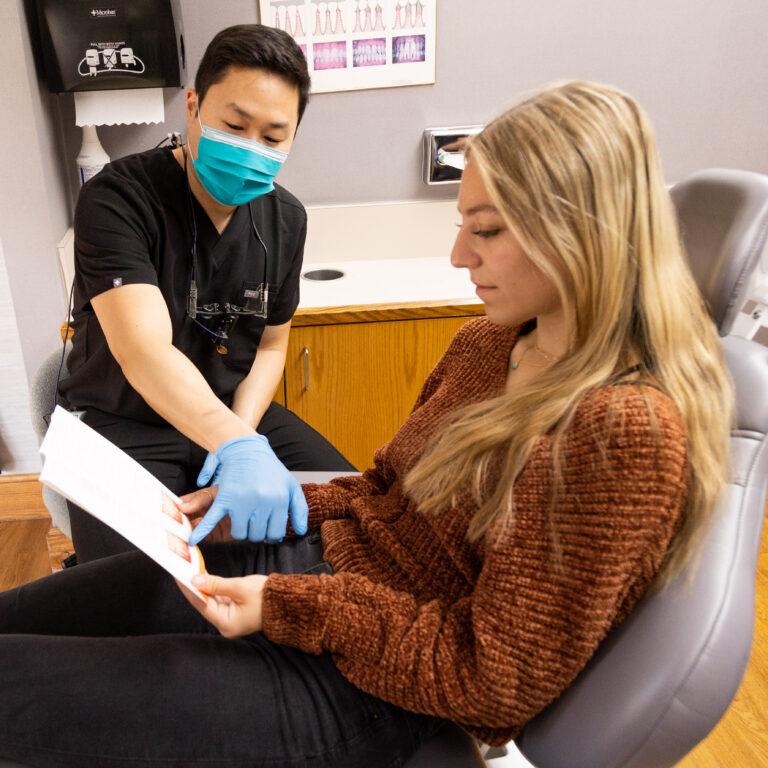

A bright smile is not just about appearance. In a dental chair, brightness often tells a larger story about routine care, enamel health, diet, habits, age, and the condition of the gums. People usually come in asking how to make their teeth whiter, but the better question is how to keep a smile looking healthy, clean, and naturally bright over time.
That difference matters. Teeth that are truly healthy tend to reflect light better, collect less stain, and age more gracefully. Teeth that are neglected can look dull even after a whitening treatment. Anyone looking for reliable advice on General Dentistry Aurora services should know that maintaining brightness is usually less about one dramatic procedure and more about steady daily choices, careful professional guidance, and knowing which shortcuts are worth avoiding.
Brightness starts with health, not bleach
Most people picture whitening products when they think about a brighter smile. Those products have a place, but brightness begins with basics. Clean enamel has a smoother surface, which reflects light more evenly. Healthy gums frame the teeth properly and make the smile look fresher overall. When plaque sits on the teeth or along the gumline, the mouth can look yellowed or tired even if the tooth color itself has not changed very much.
In everyday general dentistry, the issues that dim a smile are often simple and familiar. Plaque buildup, tartar, coffee stains, tea, red wine, tobacco, dry mouth, and inconsistent brushing all play a role. Sometimes the problem is not stain at all. A person may have enamel thinning, old fillings that no longer match the surrounding tooth color, or gum recession that changes the way the smile looks.
This is why a good dentist will not jump straight to whitening. First, the teeth and gums need to be examined carefully. If someone has cavities between the front teeth, exposed roots, or inflamed gums, whitening first can create sensitivity and disappointment. In practice, the best cosmetic result often comes after standard preventive care, not before it.
Why regular cleanings do more than polish the surface
Professional cleanings are often underestimated. Patients sometimes think of them as a basic maintenance visit, something to check off the list every six months. Yet a thorough cleaning can make a visible difference in a smile, especially for people who drink coffee daily or have a tendency to build tartar behind the lower front teeth.
Surface stains can cling to enamel in ways brushing at home simply cannot reverse. Even very diligent brushers miss certain areas, particularly near the gumline and around molars. Once plaque hardens into tartar, it cannot be brushed away. A professional cleaning removes these deposits and can restore a cleaner, brighter appearance without doing anything artificial to the tooth color.
In many General Dentistry Aurora practices, patients are pleasantly surprised after a routine hygiene appointment. They expected a simple cleaning and left realizing their teeth looked noticeably lighter. That is not magic, and it is not whitening. It is the effect of removing the film and mineralized buildup that had been muting the enamel all along.
There is also a practical reason to stay consistent with these visits. The longer stain sits, the more stubborn it becomes. Fresh discoloration is easier to manage than years of accumulation. For many adults, especially those with busy schedules, regular care prevents the need for more aggressive cosmetic measures later.
The daily habits that matter most
Most bright smiles are built in the bathroom sink, not the dental office. The daily routine does not need to be complicated, but it does need to be consistent. Brushing twice a day, flossing once a day, and using products suited to your mouth make a bigger difference than many people expect.
Brushing technique matters more than force. A common mistake is scrubbing hard in an effort to “polish” the teeth. That approach can wear enamel over time and irritate the gums. Soft bristles, small circular motions, and enough time, around two minutes, tend to produce better results. Electric toothbrushes help many patients because they improve consistency, especially along the gumline.
Flossing is where many bright-smile plans fall apart. Between the teeth, stain and plaque can accumulate where no toothbrush can reach. When those areas remain unclean, the visible edges of the teeth start to look darker or more shadowed. Flossing keeps those contact points cleaner and helps prevent the gum inflammation that can make a smile appear less fresh.
Toothpaste deserves a brief reality check. Whitening toothpastes can help maintain brightness by removing mild surface stains, but they are not all equal. Some rely on stronger abrasives, which can be too harsh for people with sensitivity or enamel wear. Others are gentler and work well as maintenance products after a professional cleaning or whitening treatment. Product choice should fit the person, not the marketing on the box.
Foods and drinks that quietly stain teeth
People often know that coffee can stain teeth, but they underestimate frequency. A single morning cup is less of a problem than sipping coffee over four hours. The same goes for tea, cola, red wine, sports drinks with dark dyes, and deeply pigmented sauces. Repeated exposure gives pigments more contact time with enamel.
Acidic drinks create a second issue. Citrus water, soda, and some energy drinks can soften the enamel surface temporarily. When enamel is softened, it is more vulnerable to wear and easier for pigments to adhere to it. That does not mean these drinks need to be banned forever. It means timing and moderation matter.
One pattern seen often in General Dentistry is the “healthy but staining” routine. Someone switches from sugary beverages to green juices, berry smoothies, lemon water, and black tea. The diet improves in one sense, but the smile slowly darkens because those drinks are acidic or strongly pigmented. It is a useful reminder that good nutrition and bright teeth are related, but not identical goals.
A few small adjustments can help:
- Drink staining beverages with meals instead of sipping them continuously.
- Use a straw for cold drinks when appropriate, especially iced coffee or dark soft drinks.
- Rinse with plain water afterward to reduce residue and acid.
- Wait about 30 minutes after acidic drinks before brushing.
- Keep cheese, yogurt, crunchy vegetables, and water in regular rotation to support oral balance.
Those steps are simple, but over a year they can make a visible difference.
The role of saliva, and why dry mouth changes everything
Saliva does more for a bright smile than most people realize. It helps wash away food particles, neutralize acids, and reduce the buildup that contributes to staining and decay. When the mouth is dry, plaque becomes stickier, acids linger longer, and the teeth often look duller.
Dry mouth can come from medications, mouth breathing, stress, aging, dehydration, and certain health conditions. It is common enough that many people assume it is normal, but chronically low saliva changes the oral environment in ways that affect both comfort and appearance.
A patient may say, “I brush all the time, but my teeth still look coated by the end of the day.” Often there is a dry mouth component. In those cases, the solution is not more scrubbing. It may involve better hydration, sugar free xylitol gum, a gentler mouthwash, medication review with a physician, or specific saliva-supportive products recommended by a dental team.
This is one of the areas where General Dentistry Aurora visits can be especially useful. Dry mouth is easy to miss on your own because the signs can be subtle at first. A dentist or hygienist may notice a pattern of plaque retention, gum irritation, or early decay before the patient connects the dots.
Whitening has a place, but timing matters
Professional whitening can be effective, but it works best when the mouth is healthy and the expectations General Dentistry Aurora are realistic. Not every kind of discoloration responds the same way. Yellow tones often whiten better than gray tones. Surface stains may lift well, while deep intrinsic discoloration can be more stubborn. Old crowns, veneers, and fillings do not whiten like natural teeth, which sometimes creates a mismatch if treatment is not planned carefully.
One of the most common disappointments happens when someone whitens before having a cleaning or before replacing old visible restorations. The surrounding teeth brighten, but the old materials remain the same shade. Suddenly those restorations stand out more than they did before.
Sensitivity is another practical issue. Some patients do well with in office treatment. Others are better candidates for gradual custom tray whitening at home because the process can be paced more gently. There is no single correct approach. A teenager with minimal staining, a coffee-drinking professional in their forties, and an older adult with recession and old bonding all need different advice.
Over the counter strips and gels can help certain people, but they are not risk free. Used too often, they can irritate gums and increase sensitivity. Misused products also create the familiar look of uneven whitening, where some teeth become much brighter while others lag behind due to crowding, restorations, or stain patterns.
Enamel preservation is part of smile brightness
A bright smile depends on enamel. When enamel stays intact, teeth usually look smoother, glossier, and more luminous. When enamel thins, the darker layer underneath, dentin, can show through more prominently. Teeth may look yellower, not because they are dirty, but because they are worn.
This wear comes from several directions. Aggressive brushing is one. Night grinding is another. Acid erosion from reflux, soda, citrus, and frequent acidic snacks also plays a significant role. Patients are often surprised to learn that trying too hard to clean the teeth can damage the very surface they want to brighten.
A practical example is the patient who brushes right after orange juice every morning and uses a hard bristle brush because it “feels cleaner.” The intent is good, but the routine slowly roughens and thins enamel. The result is often more sensitivity and a duller smile over time.
Protecting enamel may include a softer brush, fluoride use, less abrasive toothpaste, a night guard for grinding, and more attention to acidic exposures. These are not glamorous steps, but they preserve the natural light-reflecting quality of the teeth better than repeated cosmetic quick fixes.
Gum health changes how white the teeth appear
A smile is not judged tooth by tooth. People see the whole frame. Inflamed gums, puffiness, or recession can make even fairly white teeth look less attractive. Conversely, firm healthy gums can make naturally off white teeth look vibrant and clean.
Gum inflammation often starts quietly. Mild bleeding during flossing, tenderness, or redness near the margins may seem minor, but they affect the appearance of the smile and point to underlying plaque buildup. Patients sometimes stop flossing when the gums bleed, which only worsens the cycle. In many cases, better technique and consistency gradually reduce the bleeding rather than aggravate it.
Recession presents a different challenge. Exposed root surfaces are naturally darker and can stain differently from enamel. Whitening products may not lighten those areas much, and they can increase sensitivity. In these situations, a dentist has to balance cosmetic goals with comfort and long-term health. Sometimes brightness improves more with gum treatment, desensitizing care, or replacing worn bonding than with bleaching alone.
Children, teens, and adults do not need the same advice
Age changes the strategy. Children usually need less whitening talk and more prevention. Juice habits, sticky snacks, orthodontic hygiene, and basic brushing routines are the main concerns. A bright smile at that stage comes from cavity prevention and clean teeth, not cosmetic intervention.
Teens often deal with braces or retainers, which create stain traps. White spot lesions after orthodontic treatment can make teeth look unevenly bright or chalky. That is why careful hygiene during braces matters so much. The issue is not just decay, but the permanent cosmetic marks poor cleaning can leave behind.
Adults usually face the combined effects of coffee, stress, dry mouth, old restorations, grinding, and time. The smile may need a more customized plan. Sometimes the answer is as simple as cleaning and home care coaching. Sometimes it involves whitening, polishing, replacing visible fillings, or treating gum problems first.
Older adults often have additional concerns such as recession, medications that reduce saliva, or crowns placed years earlier. Here, experience matters. A conservative plan usually serves best, because the goal is not an General Dentistry Aurora unnaturally bright smile. It is a healthy, balanced appearance that fits the face and preserves tooth structure.
Small choices that protect long-term results
People often focus intensely for two weeks after a whitening treatment, then slide back into old habits. The better approach is to build maintenance into normal life. Bright smiles fade when care is episodic. They last when the routine is realistic enough to continue for years.
The strongest maintenance habits are usually the least dramatic. Drink more water. Keep hygiene appointments. Replace a frayed toothbrush head. Do not ignore a chipped filling on a front tooth. Address clenching before it cracks enamel edges. Ask questions if sensitivity appears rather than switching randomly between harsh products.
A useful way to think about smile brightness is to separate the causes of dullness into categories. Some are external, such as coffee and tobacco. Some are biological, such as dry mouth and gum inflammation. Some are structural, such as enamel wear and aging restorations. When patients understand which category applies to them, the plan becomes more efficient.
When to bring in a dentist instead of guessing
There is a point where home care advice stops being enough. If teeth darken suddenly, if one tooth changes color, if sensitivity increases during whitening, or if gums bleed regularly despite effort, a professional evaluation is the right next step. A bright smile should never come at the expense of underlying health.
One front tooth turning gray after an old injury is very different from generalized coffee staining. Brown grooves near the gumline may be stain, but they may also be early decay or root exposure. White patches after braces can signal enamel decalcification rather than something that will brush away. Guessing from a mirror or an online product review can lead people in the wrong direction.
A good General Dentistry Aurora provider usually starts with a straightforward conversation. What has changed recently? What products are you using? Do you clench, vape, drink lemon water all day, or wake with a dry mouth? Those details matter because they point to causes, not just symptoms.
The bright smile most people actually want
When patients describe the smile they want, they rarely mean paper white. They usually want something cleaner, fresher, healthier, and more confident. They want to smile in photographs without thinking about stains. They want to speak up in meetings without covering their mouth. They want the look of good health, not the look of heavy cosmetic work.
That goal is usually within reach through sound General Dentistry. A bright smile comes from strong enamel, healthy gums, sensible eating and drinking habits, regular cleanings, and whitening only when it fits the situation. It is less about chasing a perfect shade and more about keeping the mouth in a condition where brightness can show naturally.
The best smiles tend to look effortless, but they are rarely accidental. They are maintained by people who understand that oral health and appearance are closely linked. If your routine has drifted, or if your teeth seem dull despite your best efforts, start with the basics and let a dental professional guide the rest. That approach is steady, conservative, and usually far more effective than any quick fix on a store shelf.
Aspenwood Dental Associates and Colorado Dental Implant Center
Address: 2900 S Peoria St Ste C, Aurora, CO 80014
Phone number: +13037314037
FAQ About General Dentistry Aurora
What is meant by general dentistry?
General dentistry refers to the primary, foundational tier of oral healthcare, focused on the prevention, diagnosis, and treatment of conditions affecting the teeth, gums, and jaw. General dentists serve as a patient's main, long-term dental care provider—much like a primary care physician.
What is general dentistry and orthodontics?
General dentistry and orthodontics are two specialized branches of dental care. General dentistry serves as your primary care for overall oral health, focusing on routine cleanings, fillings, and disease prevention. Orthodontics is a specialized field focused entirely on diagnosing and correcting misaligned teeth and jaw structures using braces or clear aligners.
What are type 3 dental services?
Type 3 dental services typically include major restorative treatments that repair or replace damaged or missing teeth. These services are more complex and costly than preventive or basic dental care. Common examples of type 3 dental services include: Dental crowns.