General Dentist Aurora: How Dental Visits Support Confident Smiles


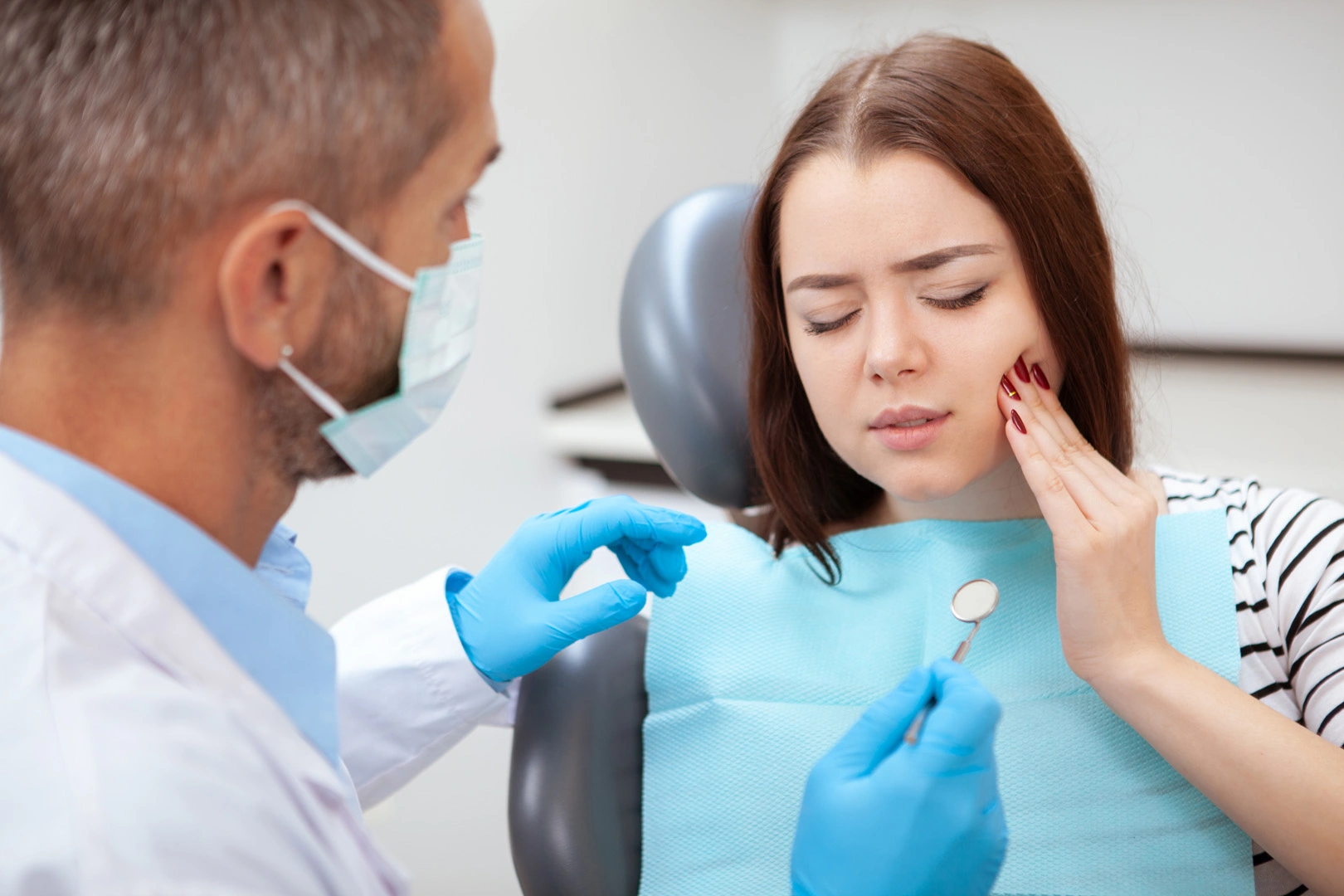
A confident smile rarely comes from luck. More often, it reflects years of steady care, timely treatment, and a relationship with a dental office that understands both health and appearance. People tend to think of confidence as something abstract, a matter of personality or self-image, but dentistry shows how practical it really is. When teeth feel clean, breath feels fresh, and small issues are caught before they become painful or visible, people speak differently, laugh more easily, and stop second-guessing themselves in social settings.
That is one reason regular visits with a General Dentist Aurora patients trust can matter so much. Dental care is not only about filling cavities or responding to toothaches. It supports comfort, function, appearance, and peace of mind, all of which shape how a person carries themselves day to day.
For many patients, the most noticeable change is not dramatic. It is subtle. They stop covering their mouth when they laugh. They agree to photos without hesitation. They no longer spend meetings worrying about a rough edge on a front tooth or wondering whether others notice persistent bad breath. Those shifts may seem small from the outside, but in a clinic setting they come up constantly, and they often begin with ordinary routine visits.
Confidence starts with comfort
When people picture a healthy smile, they often focus on straight, white teeth. That matters, but comfort comes first. It is hard to feel self-assured when chewing is sensitive, gums bleed during brushing, or a cracked filling catches on the tongue every time someone speaks. These are not always emergencies, yet they chip away at confidence over time.
General dentistry addresses those everyday concerns before they grow into larger problems. A routine exam can reveal early decay between teeth, worn enamel from grinding, gum inflammation along the back molars, or an old restoration beginning to fail. In many cases, General Dentist Aurora patients are surprised to hear there is an issue because they are not in pain yet. That is exactly the point. Early care is usually simpler, faster, and less expensive than delayed treatment.
There is also a psychological benefit to knowing where things stand. Uncertainty makes people avoid smiling, eating certain foods, or scheduling visits because they fear bad news. Once a dentist has examined the teeth and gums, the uncertainty is replaced by a plan. Even if treatment is needed, most people feel relief after that first conversation because they know what is happening and what comes next.
What a general dentist really does
The title sounds straightforward, but the scope of general dentistry is broader than many patients expect. A General Dentist Aurora families rely on often serves as the primary point of contact for oral health, much like a family physician does for general health. That means routine care, preventive guidance, diagnosis, and a wide range of restorative treatment can all happen under one roof.
Regular checkups often include a professional cleaning, a visual exam, gum measurements when needed, and imaging based on the patient’s history and risk factors. Those visits help detect issues such as tooth decay, gum disease, clenching damage, oral lesions, and problems with older crowns or fillings. Treatment may involve fillings, sealants, night guards, advice about dry mouth, referrals when specialist care is appropriate, or follow-up planning to monitor a concern over time.
This matters because confidence depends on more than one perfect cleaning. It comes from continuity. When the same office follows a patient over several years, patterns become easier to spot. A dentist may notice recession progressing around one lower canine, repeated chips on the same front tooth, or changes in bite pressure that suggest nighttime grinding. These details can be easy to miss in a one-off urgent visit, but they are often the difference between patchwork care and lasting stability.
Why routine visits affect appearance more than people realize
Some dental visits are clearly cosmetic, but many appearance benefits come from standard preventive care. Plaque and tartar buildup can dull teeth and contribute to gum inflammation, which changes how a smile looks even if no cavities are present. Professional cleanings remove deposits that brushing alone cannot reach, especially around lower front teeth and upper molars where buildup commonly collects.
Healthy gums also frame the teeth properly. When gums are swollen, red, or uneven from irritation, the smile can appear tired or neglected. After consistent hygiene visits and improved home care, many patients notice that their teeth look better even before whitening or bonding enters the conversation. The smile seems cleaner and brighter because the surrounding tissues are healthier.
A simple filling can also have a cosmetic payoff. If decay develops on a visible tooth, early treatment often allows for a smaller, more natural-looking restoration. Wait too long and the damage may require a larger filling, a crown, or another more involved option. Timing shapes aesthetics. That is one of the practical ways regular appointments protect confidence.
In practice, patients often arrive worried about stains or shape, only to find that the first and best step is basic maintenance. Once the mouth is healthy, cosmetic refinements become easier to evaluate. Sometimes they are still worthwhile. Other times, the original concern softens considerably after a cleaning, a minor repair, or treatment for inflamed gums.
The link between gum health and self-assurance
Gum disease does not always announce itself loudly. Early stages may involve light bleeding during brushing, a little tenderness when flossing, or persistent bad breath that mouthwash seems to mask only briefly. People often dismiss these signs because they are common. Common does not mean harmless.
Inflamed gums can affect confidence in very direct ways. Breath changes are one example. So is the appearance of puffy or receding gum tissue around the front teeth. More advanced gum disease can loosen teeth, alter bite comfort, and create visible spacing changes over time. At that point, the issue is no longer purely medical or cosmetic. It affects speech, chewing, and the way a person interacts with others.
Routine periodontal monitoring helps catch these changes early. That may mean more frequent cleanings for some patients, especially those with a history of gum issues, diabetes, tobacco use, dry mouth, or orthodontic crowding that traps plaque. The right schedule varies. For many adults, twice-yearly visits work well. Others benefit from more frequent maintenance. Good dentistry is not about forcing everyone into the same template. It is about matching care to risk.
Small treatments can prevent big interruptions
One of the least appreciated benefits of regular dental care is how often it prevents embarrassment at inconvenient moments. A chipped incisor before a wedding, a lost filling during travel, or a sudden toothache before an important presentation can disrupt far more than oral health. It can shake confidence quickly.
Dentists see the early warning signs long before those situations happen. A hairline crack may not hurt yet, but it can show stress. An old composite filling may look intact from the outside while the margin is beginning to wear. A patient who grinds heavily may not notice the gradual shortening of edges until a front tooth chips on something soft, which happens more often than people think.
These are not dramatic stories from rare cases. They are ordinary examples from daily practice. Preventive care works because it reduces the odds of surprise. That alone has value for busy adults, students, public-facing professionals, and anyone who does not want dental problems to interrupt work, family plans, or social events.
Dental visits and the social side of smiling
Confidence is often tested in ordinary social moments rather than major milestones. Lunch with colleagues. A first date. Parent-teacher night. A family photo taken without warning. In those situations, people do not have time to manage a dental insecurity. They simply react.
Patients who feel uneasy about their teeth tend to develop quiet habits. They smile with lips closed. They angle their face in pictures. They laugh, then cover their mouth. They avoid crunchy foods in public because chewing feels awkward on one side. These behaviors become automatic, which is why many people do not connect them to oral health until after treatment changes the pattern.
A well-timed repair can make a meaningful difference. Smoothing a rough edge, replacing a stained filling on a front tooth, cleaning heavy tartar buildup, or addressing chronic bad breath can remove a layer of self-consciousness that has been present for years. Not every confidence issue requires a major makeover. Often, it starts with careful attention to the details patients notice every day.
Children, teens, and the early roots of confidence
For younger patients, dental visits influence confidence in different ways. A child who has positive early experiences at the dentist usually develops less fear around oral care and is more likely to cooperate with brushing, flossing, and future treatment. That foundation matters because anxiety, avoidance, and untreated decay often feed each other.
In school-age children, oral health can shape social comfort quickly. Visible decay, untreated trauma to front teeth, or persistent bad breath may affect how a child feels around peers. Preventive visits help identify concerns before they become socially painful as well as physically uncomfortable.
Teenagers often become more aware of appearance and less forgiving of anything that makes them feel different. At that stage, regular dental care supports confidence in very practical ways, from monitoring orthodontic hygiene to managing sports-related chips, addressing staining, or reinforcing habits that protect enamel during years when diet choices can be rough on teeth. Energy drinks, frequent snacking, and inconsistent brushing are not unusual in this age group. The role of a general dentist is often part clinician, part coach.
When anxiety keeps people away
A surprising number of adults postpone dental visits not because they do not care, but because they care a lot and feel ashamed about what the dentist might find. Some had difficult experiences years ago. Others are embarrassed that it has been a long time. Both reactions are common, and both can be handled well in a supportive practice.
Experienced dentists and hygienists usually recognize the signs. The patient apologizes repeatedly, jokes nervously, or says they know things are bad before anyone has looked. The most helpful response is calm, direct, and nonjudgmental. Dentistry goes much better when patients feel informed rather than scolded.
That matters for confidence too. Shame tends to keep people in a cycle of avoidance. Once they return for care and realize they are being helped instead of judged, the whole experience becomes easier. Sometimes the biggest step is simply making the first appointment after a long absence.
A few signs suggest it is time to book a visit sooner rather than later:
- Bleeding gums that continue for more than a week or two
- Sensitivity to cold, sweets, or biting pressure
- Bad breath that does not improve with brushing and flossing
- A chipped tooth, loose filling, or rough edge you can feel with your tongue
- Pain, swelling, or a spot in the mouth that is not healing
These issues do not all mean something serious, but they deserve attention. Waiting can turn a manageable fix into a more complex one.
The practical value of consistency
People sometimes ask whether they really need regular checkups if they brush well and rarely have cavities. The honest answer is that good home care reduces risk, but it does not eliminate it. Teeth have tight contact points, gum pockets vary, older dental work ages, and habits like grinding often happen during sleep when patients have no awareness of them.
Consistency also helps build a fuller clinical picture. A dentist who has baseline records can compare x-rays, gum measurements, and wear patterns over time. That makes it easier to detect subtle changes. It also helps patients receive advice that fits their actual habits rather than generic instructions.
For example, someone with excellent brushing but repeated decay near the gumline may need a conversation about dry mouth, acidic beverages, or brushing technique. A patient with beautiful front teeth but recurring fractures on molars may need evaluation for clenching. Another may simply need shorter intervals between cleanings because tartar builds quickly despite sincere effort at home. Real dental care lives in those specifics.
What patients can do between visits
Professional care works best when it is paired with sensible daily habits. That does not require perfection. It requires consistency and a willingness to adjust when something is not working.
Most patients do well when they keep a few basics in mind:
- Brush twice a day with fluoride toothpaste and use a soft-bristled brush
- Clean between teeth daily, whether with floss, picks, or another dentist-recommended tool
- Limit constant sipping of sugary or acidic drinks, especially between meals
- Replace worn toothbrushes or brush heads regularly
- Mention changes early, even if they seem minor
These habits sound simple because they are. The challenge is doing them steadily enough to matter. In practice, even modest improvements can produce visible results over a few months.
Choosing a dental home that supports confidence
Not every dental office feels the same, and that matters more than many people expect. Skill is essential, but communication style matters too. Patients tend to do best in a setting where questions are answered clearly, treatment options are explained without pressure, and preventive care is treated as important rather than secondary.
A good General Dentist Aurora residents choose for long-term care will usually balance health priorities with appearance concerns in a realistic way. If a patient asks about whitening when there is untreated decay, the dentist should address health first. If a patient is medically stable but bothered by a small cosmetic issue that affects self-esteem every day, that concern should not be dismissed just because it is not urgent. Good judgment means understanding both sides.
Scheduling and accessibility also play a role. Families often stay loyal to practices that make preventive care manageable, offer practical appointment times, and communicate well about follow-up. Confidence grows more easily when care feels integrated into life rather than like a recurring disruption.
A healthy smile tends to show before anyone says a word
People notice smiles quickly. They notice ease, comfort, and expression just as much as tooth color or alignment. That is why routine dental visits have an effect that reaches beyond the exam room. They help preserve function, yes, but they also remove distractions, reduce self-consciousness, and support the kind of smile that looks natural because it feels natural.
Confident smiles are usually built in small increments. A cleaning that leaves the mouth feeling fresh. A cavity repaired before it spreads. Gum inflammation brought back under control. An old filling replaced before it breaks. Advice that General Dentist Aurora helps a patient finally manage sensitivity or stop grinding damage from getting worse. None of these moments is flashy. Together, they shape how people eat, speak, laugh, and show up in the world.
That is the quiet value of regular care. It protects health, but it also protects freedom, the freedom to smile without thinking twice.
Aspenwood Dental Associates and Colorado Dental Implant Center
Address: 2900 S Peoria St Ste C, Aurora, CO 80014
Phone number: +13037314037
FAQ About General Dentist Aurora
What is meant by general dentistry?
General dentistry refers to the primary, foundational tier of oral healthcare, focused on the prevention, diagnosis, and treatment of conditions affecting the teeth, gums, and jaw. General dentists serve as a patient's main, long-term dental care provider—much like a primary care physician.
What is general dentistry and orthodontics?
General dentistry and orthodontics are two specialized branches of dental care. General dentistry serves as your primary care for overall oral health, focusing on routine cleanings, fillings, and disease prevention. Orthodontics is a specialized field focused entirely on diagnosing and correcting misaligned teeth and jaw structures using braces or clear aligners.
What are type 3 dental services?
Type 3 dental services typically include major restorative treatments that repair or replace damaged or missing teeth. These services are more complex and costly than preventive or basic dental care. Common examples of type 3 dental services include: Dental crowns.